This page is dedicated to sharing my experience as a PhD student, since 2022. The process and the product matter equally. Most importantly, it was during the PhD journey that I got to understand what it entails to become a well rounded educator. That is the essence of the post below.
I hope you will enjoy the article.
What it feels like standing at the bottom of the academia ladder: insights and inspiration
Just a quick reintroduction. I am Basetsana, Associate Fellow of Advance Higher Education. I’m currently in the writing up stage of my PhD in Media and Communication at Newcastle university.
Now Back to the essence of this post. A little background goes a long way to put this message into perspective. I joined academia in 2018, having worked as a teacher and educator in basic and teacher education cumulatively, for 15 years. Starting a job as a lecturer in higher education was both exciting and confusing. There is this title ‘academic’ that gave me a hard time firstly because its meaning and secondly because I just didn’t know what I had to do to qualify as an academic. A loud inner voice reminded me always, that I was not an academic. Then I got to the point where I convinced myself to forget about this title and just do my job and earn a living. Let’s just agree this worked for some time. But the problem of feeling like I didn’t belong never left.
A year into my new role I had to submit a dossier report to signal the end of probation so that I could get confirmed as permanent and pensionable. The dossier proved to be a big deal because it required evidence to demonstrate that I fulfil the requirements of an academic. Here we were again. Well I did my best and my application was successful, but I still felt like a fraudster. The upside is that I learnt a lot from the process of compiling the dossier. But there were still things I was expected to do, the relevance of which was not clear, and it appeared being an academic was contingent on including these as an integral part of my work. Fast forward to 2024!
I enrolled in the Evidencing Learning and Teaching Skills program, an endeavour which contributed immensely to my pedagogical practice and professional development in many regards. Evaluating applicants for the associate fellowship considered successful demonstration of three dimensions: teaching/learning and assessment; knowledge of the subject matter; and upholding professional values. The evidencing process is reflective and thus very effective in enabling use of concrete experience to identify skills, knowledge gaps and levels of competency.
It fostered recognition of the importance of membership to communities of practice. These are oriented towards sharing of knowledge, experience and skills and they encompass seminars, webinars, workshops and conferences. I have learned so much from these communities of practice, Scholarship of Teaching and Learning (SoTL), International Association of Media and Communication Research (IAMCR) Newcastle Educators and SPROUT, to mention a few. I have been able to develop long term goals and strategies to achieve a balance between the essential aspects of academia, now that I know exactly what is required.
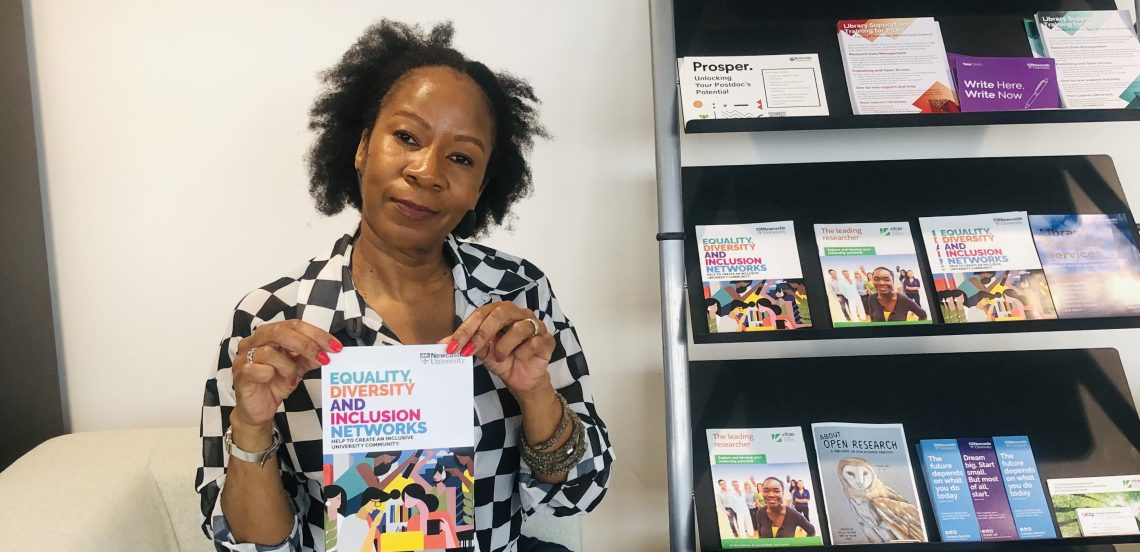
The biggest takeaway which I think my students will benefit from is that when we intentionally incorporate equality, diversity and inclusiveness principles in our practice we significantly increase retention and completion rates for higher education students. This is one of the biggest challenges that higher education institutions face the world over.
We are not just decorating titles (chuckles) but committing to acquire necessary skills and support so that we can in turn support our learners. I think I am qualified to organise a conference for aspiring academics so that we share experiences and insights. Who is up for this?
 Edusphere-By-Bassie